Things to know before travelling to Rwanda for a Vacation
Things to know before travelling to Rwanda for a Vacation, Rwanda is renowned as the ‘Land of a Thousand Hills’, It identified by the natural green forests that coat the mountainsides, teeming with trekking trails, tea plantations, and of course, the rare, endangered gorilla. Moving forward from the volatility of the past, Rwanda is seeing a revival and is an excellent destination for both in door and outdoor adventures and safari escapes. travelers from worldwide to witness the rich biodiversity, and the hospitable nature and culture of the natives.
As you plan your trip / vacation to Rwanda, there are special factors/ guidelines you should know and follow before you set off and when you arrive in the country.

Climate and weather changes.
Rwanda has a tropical climate with rising slopes draped in lush woods. this is mainly because its close to the equator. Comprising four primary climatic regions, such as the eastern lowlands, central plateau, highlands, and the regions around Lake Kivu, there is so much to discover in dramatically different weather systems. It is important to note that Rwanda experiences both the dry and wet season. The long dry season is between June to September, and the short dry season is from early December to February. the wet season stretch from March to May and October and average temperatures throughout the year are between 19 -22 degrees Celsius. This weather pattern helps you to plan your vacation according to interest.
Health and entry requirements.
Before you book your trip, you should check your country’s official travel advice websites, to make sure you know what you need to do to get into the country and that you have the right vaccines and insurance. You will find that some come countries have visa- free entrance to Rwanda while others are allowed to obtain visas on arrival. It’s also important to know that Rwanda is part of the East African community, so if you have an East African tourist visa, you can easily connect your trip from Rwanda to Uganda and Kenya.
Food and drinks in Rwanda
Rwanda foods complement the culture of Rwandans. There are delicious and diverse food options, taste some local dishes prepared in a traditional way to truly embrace African’s natural beauty.
Most Rwandans rely on subsistence farming, which means that starchy foods always make up the largest part of their diet. Rwandan cuisine is centred around local vegetables, meat is readily available in urban centres. Cattle is recognised as a status symbol thus less consumed in the rural areas. People close to lakes always feast on fish.
Some of the main food stuffs in the country include Ugali- made from maize or cassava flour and always served with stews and sauces, Isombe- soup from cassava leaves, can be mixed with ground peanuts or palm oil for the best flavour, Brochettes-Skewed or grilled meat, Ibihaza- spiced pumpkin at times mixed with beans and ground nuts, Akabenz – grilled or roasted pork often accompanied by plantain. as you explore beautiful Rwanda, you can stop at the roadside to taste the vendors foods including fruits, barbecue, roasted corn and locally brewed banana beer (Urwangwa).
Besides the local dishes, different hotels prepare different meals relating to different nationalities including Chinese, Italian, and Indian foods for both vegetarians and meat lovers. You can choose either local or international cuisine.
Health and general sanitation
Environmental protection is one of the outstanding factors that is engrained in Rwanda. Citizens and visitors are expected to maintain general cleanliness. in 2008, plastic bags were banned and as you plan your safari, leave such bags behind. If you are found littering, you are fined. The country also holds communal cleaning (Umuganda) on the last Saturday of every month. Business and vehicle movements are halted for some hours, and if you happen to be in the country on that day, you can join the natives for such a common good.
Language
The most used languages in Rwanda are Kinyarwanda, French, Swahili and English. Majority of the population speak Kinyarwanda, French was adopted because of colonial influence, Swahili is official for East African Community Member states and English is primarily opening up the country to economic opportunities. Be ready communicate in either of these languages to attain satisfaction of your Rwanda adventure.
Connectivity
Nearly the whole country of Rwanda is covered by a first-rate mobile phone network for making both international and local calls. Sim cards (MTN, Airtel) are easy and cheap to obtain. This can be at the airport or at the gazetted mobile shops. Wi-Fi is good in most urban centres and in most hotels, its provided freely. You can still communicate to friends within and home.
Currency
The main currency is the Rwandan franc (Rwf), though the US dollars are also accepted. Credit and debit cards are accepted in different of locations especially in the city, bigger towns and hotels. There are ATMs in Kigali. Always prepare to pay cash in Rwandan francs for local services like buying foods and souvenirs from shops, tipping and donating. Tipping is optional but a good symbol of appreciation for a particular service.
Transport
Rwanda is one of the African countries with the best roads. They are well paved and designed to provide quick access to different places within the country.
Rwanda drives on the right -hand side
When you decide on travel by air, Kigali international airport is the main entrance to the country connecting from places like Europe, South Africa, Entebbe, Nairobi, Ethiopia and other parts of the world.
Driving to different tourist destinations in Rwanda is easy. For those heading to volcanoes National Park its only 2-3 hours drive. travelling to Akagera national park is also 2.5 hours and driving to Nyungwe National Park takes 5-6 hours.
Private transport is available, mainly provided by tour operator companies. Public transport buses also help you reach your destination cheaply though crowded.
If you wish to travel by air, chattered flights are arranged from Kigali airport to all the different national parks in the country.

Things to do in Rwanda
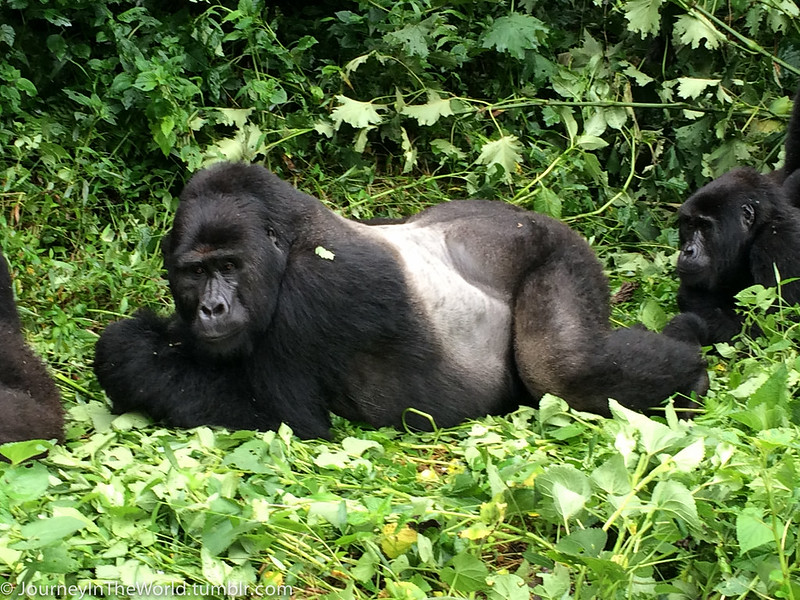
Mountain gorillas is the most sought after activity for a large number of travelers to Rwanda. The thick, bamboo-covered hills that make up Volcanoes national park are the habitat for some of the worlds remaining mountain gorillas. Hiking through these dense forests provides a unique opportunity to come face to face with one of the most endangered primate species on the earth. in the same gorilla park, expect more adventurous activities like golden monkey tracking, volcano hiking, cultural encounters, boat trips and birding among others.
Head to Akagera national park to enjoy breathtaking game drives as you sight different wildlife creatures especially the big 5 and several bird species.
A visit to Nyungwe National Park exposes you to Africa’s oldest natural equatorial forest, home to chimpanzees and other 12 primate species. Close to this park, join the local community to lean/witness about tea processing production.
Find privacy and amazing relaxation in the western part of Rwanda at the shores/ beaches of lake Kivu. Participate in activities like swimming, canoeing, kayaking, boat trips and island exploration.
For history and culture, visit the different genocide memorial sites located in different parts of the country to commemorate the lives of 800,000 to oner one million people who were killed in th1994 mass killings in only 100 days in Rwanda. Former palace kingdoms, museums, craft centers and markets are also part of culture.
What to wear
In Rwanda, the dress code is usually casual but still shows respect and personal dignity. During the day, temperatures tend to be warm, pack light clothing and don’t forget to bring sun protection, like a hat and sunglasses! The evenings always get a bit cool, so a light sweater or jacket should not miss your pack.! During October and November, are considered rain months, If you intend to visit Volcanoes National Park and Nyungwe National Park, warm clothing, including a lightweight waterproof jacket are crucial in the damp mountains.