Festivals and events in Rwanda.
Festivals and events in Rwanda: In addition to the amazing history and the renowned rolling landscapes, which cite Rwanda as “The Land of a Thousand Hills”, the country is teeming with vibrant cultural festivals and gatherings that combine tradition and brotherhood. Events in Rwanda offer an exceptional opportunity to experience firsthand customs, music, dances, and cuisine that characterize Rwandan beautiful culture.
In this piece, we delve into the significant festivals in Rwanda and find the ideal timings for you to fully enjoy all the education, fun and excitement from these celebrations.

Umuganura (harvest festival)
The Umuganura festival is celebrated each year in August, signifying the commencement of the agricultural year. This is the moment for all Rwandans to convene in various locations to share their harvest with the community. Everyone is expected to come along with food fruits and any kinds of agricultural harvests, share with others symbolizing unity and gratefulness.
The event culturally signifies the position of agriculture and the shared values in the Rwandan society. The gatherings are characterised by cerebration, traditional songs, dances and communal feasting. This is one of the best times to enjoy Rwandan culture.
Kwita Izina (Gorilla naming ceremony)
This annual ceremony to name the Kwita Izina gorilla is a great time to visit Volcanoes National Park. this is one way of escaping the city hustles to enjoy nature. The gorilla naming ceremony takes place in Kinigi outside the park.
The week for the event is so adventurous , that why many visitors embark on a guided tours from Kigali to different parts of Rwanda and later to Volcanoes National park where, they can meet the park staff and top conservationists, enjoy cultural evenings and a celebration in Musanze, visit the twin lakes Burera and Ruhondo and conclude their safari with the Kwita Izina event.
The ceremony features music, dancing, and informative talks on Rwanda’s gorilla conservation progress and future problems that need to be settled. Rwanda’s commitment to mountain gorilla conservation inspires travelers on this unique event. Join this amazing ceremony to see these gorgeous infant wild creatures.
Genocide against the Tutsi Memorial Day.
April 7 is the National Day of Reflection on the 1994 genocide against the Tutsi in Rwanda. This is a day of remembrance, marking the start of the 100-days genocide era in which an estimate of over a million Rwandans, mainly Tutsis and some Hutus lost their lives to the mobs of Hutu extremists.
“Kwibuka”, which translates to “to remember” in Kinyarwanda, is a sorrowful time of year in Rwanda. The commemoration period begins in April to July. Kwibuka focuses on memory of the genocide victims, support for survivors, and mass awareness about preventing future crimes against humanity.
During this 100 days period, communities all around the country host vigils, commemoration services, and educational events. These events provide a forum for grieving, trauma support for survivors, and educating the next generation about dangers of racism and discrimination. Rwandans reaffirm their dedication to creating a united and peaceful future generation. Kwibuka is both a time of deep sorrow and renewal.

Umuganda event (national general cleaning day)
In Rwanda, on the last Saturday of every month, communities across the country unite to participate in communal cleaning work, an activity commonly referred to as “Umuganda” meaning “getting together for a common goal to attain an objective”.
It is aimed at enhancing neighborhoods and strengthening unity. The tradition of Umuganda goes back centuries, but today it’s also a symbol of Rwanda’s commitment to rebuilding after the devastation of the genocide in 1994. This is an activity for all adults of 18 to 65 years whereby even the President takes part. Individuals participate in cleaning the neighborhoods, slashing, sweeping the streets, draining water trenches/passages, building roads, schools and houses for the elderly,
The activity starts at 8am up to 12pm.All businesses, private and public offices and stores remain closed, and vehicle movements are restricted.
As a Rwanda visitor, try to consider timing as an important factor as you schedule your trip so that the general cleaning does not affect your adventure. If you have an activity on the same day with the Umuganda, get up early enough and make sure by 8am, you have reached your destination. With this event, you’ll discover the strength and positive effects of community/ group work and how Rwandans work together to make their country’s future better with healthy natives.
Arts and culture festivals
For a long time, art has been an effective medium for creativity, expression, and communication. It raises awareness, spreads morals, and strengthens ties between people worldwide. We think that art is peaceful instrument for social change because it provides atmosphere for creativity and innovation. Some of the art festivals in Rwanda include:
Ubumuntu Arts festival.
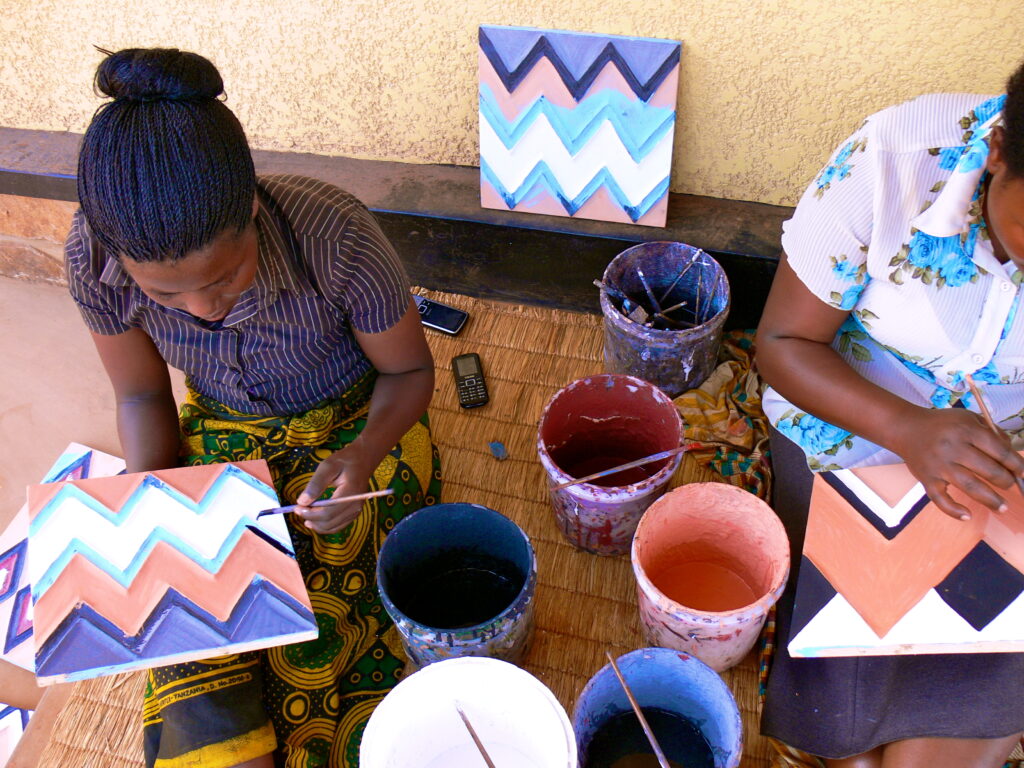
This is an event that was founded by a Rwandan, Hope Azeda, refugee, genocide survivor, and the Artistic director of Mashirika Performing Arts and Media Company in Rwanda. Ubumuntu translates to “Being Human”. This festival is a platform that seeks to connect people from different areas to come together through the language of art.
It was launched in 2015 and takes place annually after the 100 days of “Kwibuka”, commemoration of the 1994 genocide. this gathering brings together artists from over 30 countries who participate in activities like dances, drama, musical pieces, workshops and discussions that highlight different races, cultures and creeds and make all the same. The festival is open and free to everyone who wishes to witness how art heals traumas and connects communities.
Festival Arts Azimuts (FAAZ)
This is an annual art festival usually held in October. it was founded by Odile Gakire “Kiki” Katese as a way bringing communities together to cerebrate the goodness of art through dances, music and artistic displays. In this vent, local Rwandans and international artists converge to participate in exhibitions, interactive workshops, listen to inspiration talks and other artistic disciplines.

Hobe Rwanda Festival
From its launch in 2013, the Hobe Rwanda Festival has gained a special place on Kigali’s cultural festival schedule. The festival highlights Rwandan culture by displaying the works/pieces of regional singers, poets, fashion designers, dancers and artistic exhibitions. Hobe is an event that every cultural lover must attend as it provides a deep insight into both local and foreign culture. The event goes for two educative and exciting days in September.
Imigongo Unique Art Festival.
Imigongo, is locally referred to as cow dung art, an original art piece from Rwanda. This beautiful artwork is an exceptional creation crafted from cow dung, ash, and compact natural dyes in different colours. It employs several shapes and vibrant colours in its creations, highlighting significant subjects such as Rwandan history, religion, and the various traditions that constitute Imigongo.
Every year, at the end of August, the Imigongo art festival is held in the remote Rwandan community of Ntongwe, which is located in the Kabarondo area near the Burundi border. Imigongo artwork showcases abilities and capabilities related to events such as Burundi’s independence. Many buyers purchase Imigongo artwork as souvenirs and for their own use.
Igihango Rwanda art festival
Igihango refers to traditional painting on cow skin. This an art piece that existed in Rwanda before colonisation. it involves painting using natural colours to exhibit prehistoric art and the lifestyle of Rwandans in early time. The Igihango Arts festival is always held in October to present a chance to people to learn about traditional art and witness how its practically done by the artists. At the event, tourist and locals enjoy cultural dances accompanied by music, get to interact and share their daily life experiences. The Igihango Arts Festival serves as a platform for promoting culture tourism in Rwanda by showcasing Rwanda’s artistic and crafty talents.
Kigali fashion week
This is a cultural event organised for local fashion designers to exhibit their local designs .It is organised by international and local business owners, fashion designers, seamstresses, modelling agencies and up coming designers.
It is one event that provides local fashion designers to interact with international designers, share new inventory ideas and how to improve the quality and standard of their products. it is another avenue for models to improve on their practical entrepreneurship skills and creativity.
Kigali Up music Festival
Since its launch in 2011, KigaliUP has quickly become Rwanda’s premier music festival, gaining reputation as one of the best music festivals in Africa. Every year, around July, during the northern summer, the KigaliUP event takes place. With a delicious blend of music from throughout the globe, the festival’s wide lineup of local and international artists in the reggae, blues, hip-hop, and pop genres captivates its diverse and multinational audience.
Kigali film festival
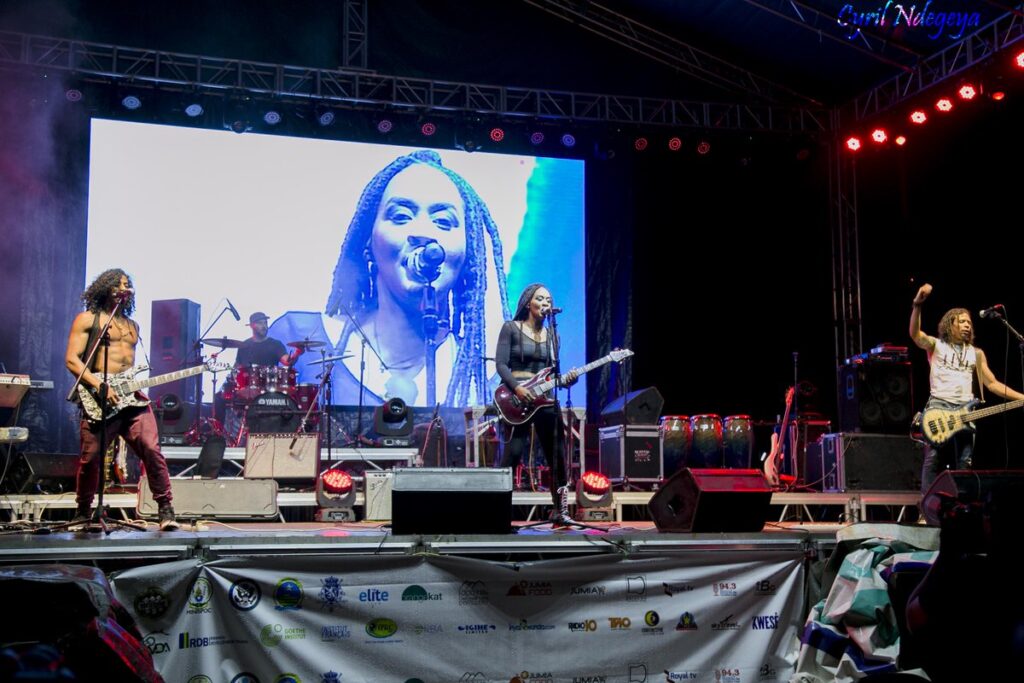
The Rwanda Film Festival, branded “Hillywood” after Rwanda’s undulating hills, is a filmmaking extravaganza that brings tales to screens countrywide. The festival was started to support regional filmmakers and highlight African movie making, and has currently turned out to be one of East Africa’s cherished filming events.
The festival trends in Rwanda’s villages and towns showing movies in open-air venues which later transforms to joyous celebrations. It provides the rural and urban dwellers with access to the filming sector through these interactions. Travelers get to learn more of Rwanda’s storytelling culture and emerging artistic sectors through attending the exhibitions or workshops. The Kigali film Festival is a source of inspiration and educational entertainment to both natives and international visitors.
The Pan- African Dance Festival (FESPAD)
Fespad, an annual event that was founded in the 1990s, it unites dancers from all over Africa to highlight the variety of styles and traditions found in the continent. its not only a competition but also a platform to recognise and cerebrate Africa’s identity.
Experience a vibrant festival where Rwanda takes centre stage as a cultural shining example for the continent, inviting participants and audiences alike to partake in the joy of dance. During the festival, Kigali’s arenas and outdoor venues host traditional drumming, Intore warrior dances, and modern African choreography. Fespad promotes African integration, cultural interaction, and debate beyond the shows.
Travelers to Rwanda for the Fespad event, experience the vibrant artistry, captivating rhythm, and boundless creativity that represent the core of Africa’s cultural rhythm.
The significance of Rwanda’s festivals.
Rwanda’s traditional festivals show the diversity the country through dance and music.
They show happiness gained from creative and innovative gatherings. Through remembering, art and film, creation, and conservation, the festivals show resilience and unity.
These festivals are more than just fun for tourists; they give them a chance to learn about Rwanda’s past, present, and future in a useful way.
Joining any festival in Rwanda is a way to interact with the locals, see how traditions are kept alive in the modern world, and learn how culture inspires brings people together.
Every festival in Rwanda tells a different part of the country’s history. Along with sights and sounds, festivals offer visitors memorable emotions and connections.
In conclusion,
For people who want to learn that Rwanda’s beauty is more than just wildlife and landscapes, it extends to culture and tradition and one of the ways to fully explore this opportunity is joining the different festivals that take place in Rwanda at different times of the year. going to culture festivals is the best way to do it. Every festival is a new experience, inspiration, and a lifetime memory.